In the ever-evolving field of medicine, effective tissue repair solutions are vital for recovery. These solutions play a critical role in healing wounds and restoring functionality. With advancements in technology and research, various methods have emerged to facilitate tissue repair.
Understanding these options is essential for patients and healthcare professionals alike. They vary in application and effectiveness, and some may be more suitable than others in different circumstances. Each solution has its pros and cons, making informed choices imperative. While many treatments promise rapid recovery, the reality is not always so straightforward.
Navigating through the plethora of options can be overwhelming. Patients often seek the most reliable and tested tissue repair solutions. However, not every product or technique meets expectations. It is essential to weigh the evidence, consult experts, and remain cautious. After all, healing takes time, and the best solution may require patience and careful consideration.
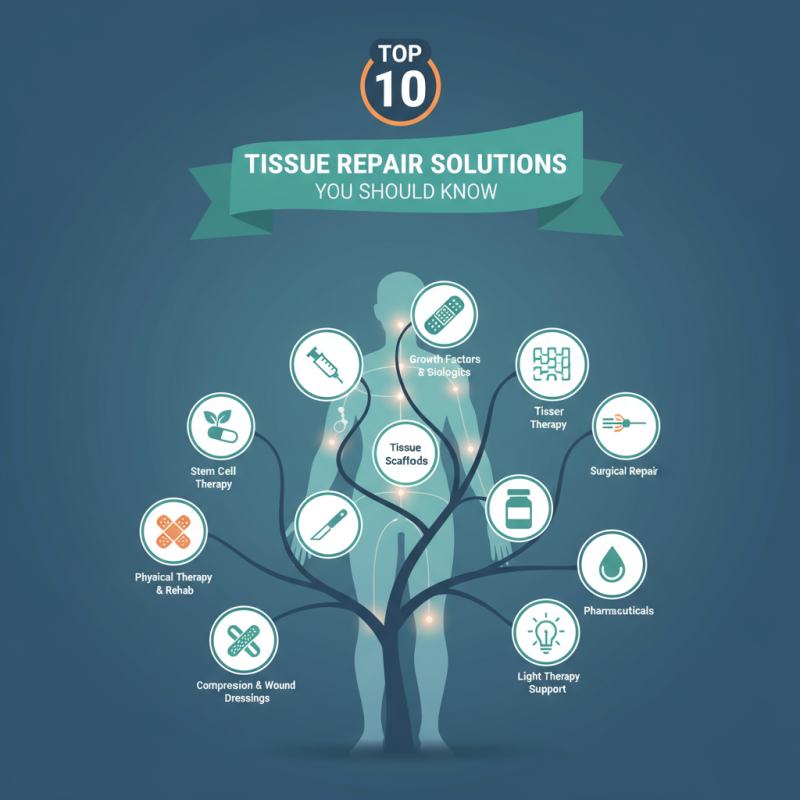
Tissue repair has come a long way. Innovative techniques are making strides, enhancing recovery outcomes. From stem cell therapy to biomaterials, these methods show promise. Each solution has its own unique approach to healing.
Stem cell therapy harnesses the body's natural repair mechanisms. These cells can differentiate into various tissue types, promoting regeneration. However, research is still ongoing. Results can vary, and guidelines are being refined.
Another approach involves the use of scaffolds. These structures support tissue regeneration by providing a framework for cell growth. They can be made from natural or synthetic materials. While they aid healing, ensuring biocompatibility remains a challenge. Some materials have shown adverse reactions. Each method calls for further investigation. Discovering the most effective applications will remain a key focus.
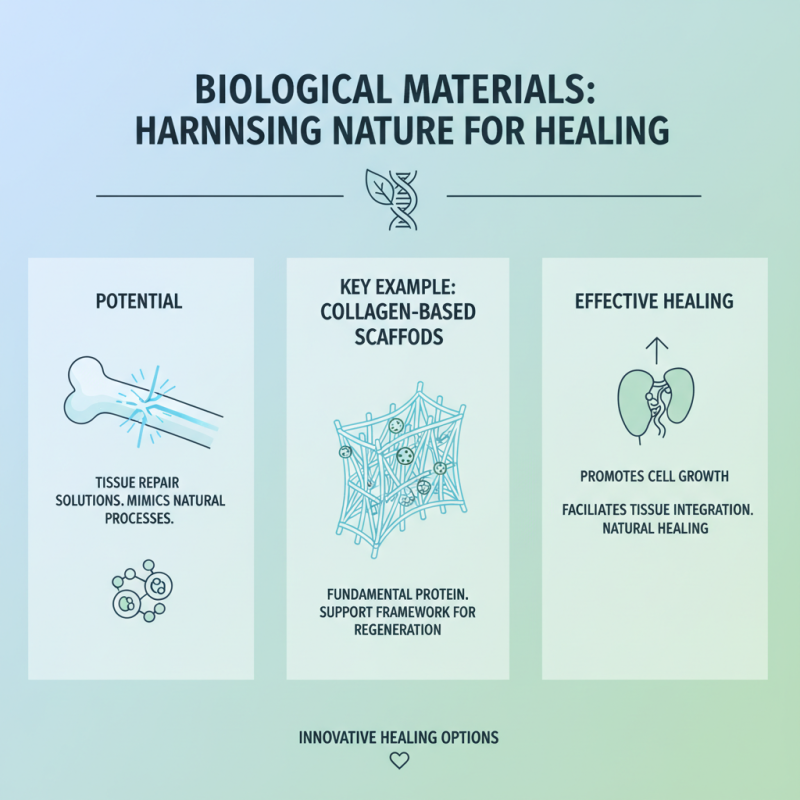
Biological materials hold immense potential for tissue repair solutions. By mimicking natural processes, these materials offer innovative healing options. One effective example is using collagen-based scaffolds. Collagen is a fundamental protein in our bodies. It helps create a supportive framework for tissue regeneration. When applied in medical settings, these scaffolds encourage cell growth and tissue integration, facilitating natural healing.
Tips for using biological materials effectively include assessing individual needs. Not every solution works for everyone. Consider the type of injury or condition being treated. It's essential to have personalized treatment plans tailored to specific situations. Additionally, source these materials from reputable providers. Quality matters in achieving the desired outcomes.
Another exciting aspect of biological materials is their biocompatibility. This characteristic minimizes adverse reactions in the body. For instance, some synthetic alternatives may provoke inflammation. Hence, being cautious about material selection is crucial. Working closely with health professionals can help to navigate these choices effectively. This collaboration ensures the best possible results for healing and recovery.
Regenerative medicine focuses on enhancing the body’s natural healing processes. This field provides innovative techniques that aim to repair damaged tissues. These solutions can accelerate recovery from injuries and improve overall tissue function. Various methods are being explored in laboratories and clinics worldwide.
One promising technique involves stem cell therapy. Stem cells have the unique ability to develop into different cell types. By injecting stem cells into damaged areas, they can promote regeneration. This approach shows potential in treating conditions like arthritis and heart disease. Still, researchers are examining the long-term effects.
Another method is the use of growth factors. These proteins stimulate the healing process by encouraging cell growth and repair. They can be applied directly to injuries to enhance recovery. Precise delivery is crucial for effectiveness, yet challenges remain in ensuring optimal dosing.
Tips: Always consult with a healthcare professional before considering any new treatment. Stay informed about the latest research in regenerative medicine. Look for clinical trials that investigate new therapies. Each individual's body responds differently, so personal experiences may vary. Remember that not every solution works for everyone, and ongoing research is vital.
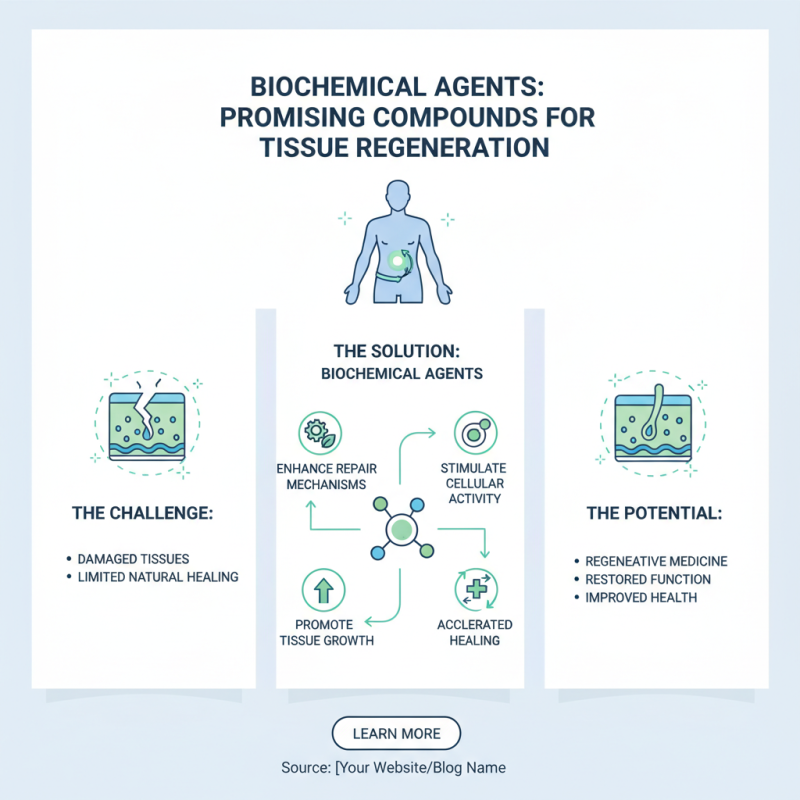
Tissue regeneration has gained attention in recent years. Biochemical agents show promise for healing damaged tissues. These compounds work by enhancing the body’s natural repair mechanisms. They stimulate cellular activities, promoting growth and repair.
One significant area of research involves signaling molecules. These molecules can activate gene expression related to tissue regeneration. Factors such as growth factors and cytokines play crucial roles. They guide stem cells to migrate to injury sites and differentiate into needed cell types. The effectiveness of these agents can vary. Not all individuals respond the same way due to differences in genetics and environmental factors.
Another focus is on extracellular matrix components. They provide vital support for cell attachment and growth. While promising, this research presents challenges. Understanding how to deliver these agents effectively remains complex. Moreover, potential side effects must also be carefully evaluated. More studies are essential to refine these solutions and improve outcomes for tissue repair.
Tissue engineering is revolutionizing medicine today. The field merges biological sciences with engineering principles. This dynamic collaboration aims to create solutions for repairing or replacing damaged tissues. Research indicates that the global tissue engineering market will reach $14 billion by 2026. This growth reflects the urgent need for innovative medical solutions.
Current trends highlight the importance of stem cell research. Stem cells can regenerate damaged tissues. Studies show that using stem cells from adipose tissue can lead to significant improvements in skin and bone repair. However, challenges remain. Regulatory issues and ethical concerns about sourcing stem cells must be addressed.
Another fascinating development is 3D bioprinting. This technology can produce complex tissue structures layer by layer. In 2021, the market for 3D bioprinting in tissue engineering was valued at $1.2 billion. Although promising, this technology needs refinement. The long-term viability of bioprinted tissues is still under investigation. As science advances, new approaches continue to emerge, bridging gaps between research and practical applications.
We use cookies to show you content that is relevant to you. By clicking “Accept”, you agree to the storing of cookies on your device to enhance site navigation, analyze site usage, and assist in our marketing efforts. Feel free to read more about cookies by clicking "settings"